
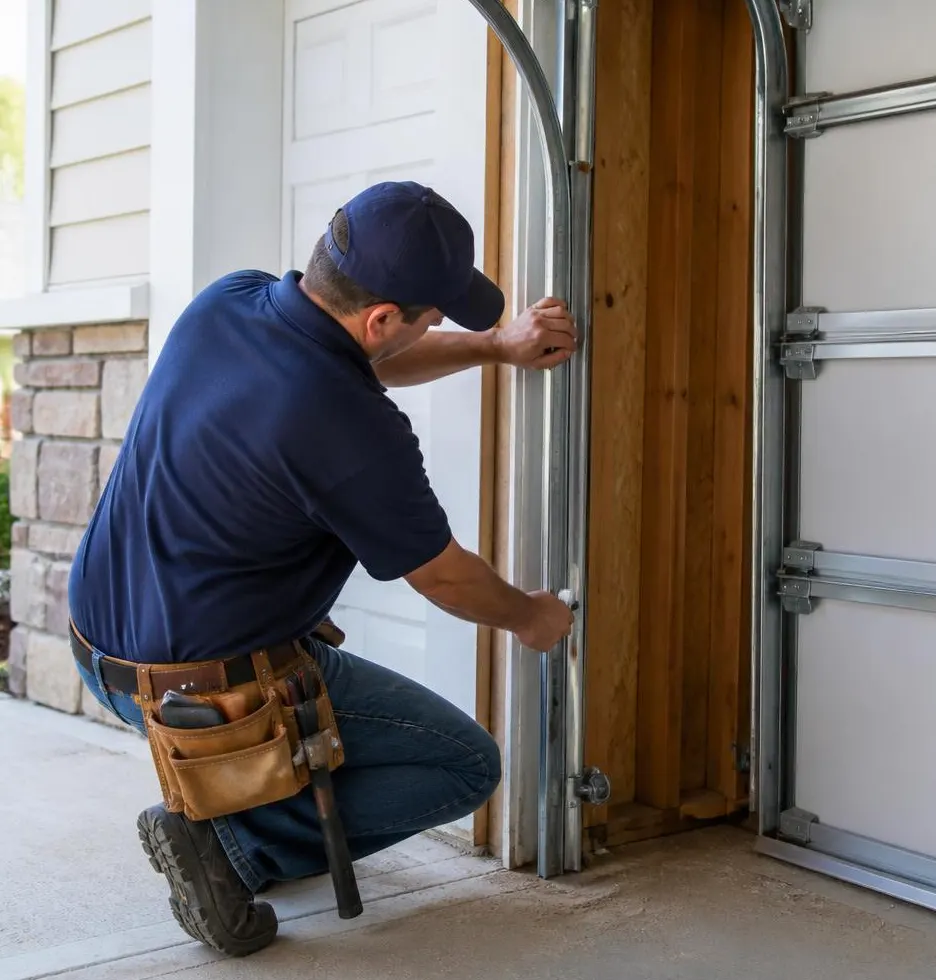
Skip garage door prep for one more storm season and the bill doesn't stop at the door itself. When a garage door fails under wind pressure, it doesn't just dent a panel — it lets wind rush into the garage, pressurize the house from the inside, and push against the roof structure and walls from a direction they were never built to resist. Insurance adjusters see this pattern constantly after major wind events: a buckled garage door followed by roof damage, water intrusion, and a repair bill that runs into five figures for the structure, on top of a replacement door that typically costs more than a storm-rated one would have cost in the first place. The door is usually the first thing to go, and it's also the cheapest piece to fix in advance.
Right now, with hurricane season still active and afternoon storms rolling through Polk County on a near-daily basis, is the right time to look at your door honestly — not after the next tropical system is already named.
Why the Garage Door Is Your Home's Weakest Wall
A standard garage door is the largest moving opening in most homes, and it's built with lighter materials and more moving hardware than any wall around it. When wind hits a house, the garage door panel flexes. If it flexes too far, it can bow, buckle, or blow out of its tracks entirely. Once that happens, wind pressure inside the garage has nowhere to go but up into the attic and against the roof deck from underneath — which is exactly how a storm turns a minor wind event into a roof loss. Hurricane straps, roof tie-downs, and impact windows don't help much if the garage door is the failure point that lets the pressure in.
Wind-load rules exist for a reason in this part of Florida, and they matter most for doors that are original to older homes or were replaced without a wind-rated option. If you don't know whether your current door meets a wind rating appropriate for this area, that's worth finding out before storm season peaks, not during it.
What Florida Heat and Humidity Do to a Door Year-Round
Even outside of storm threats, Davenport's climate wears on garage doors in ways that matter when wind finally does show up:
- Humidity swelling: Wood and composite panels absorb moisture during the wet season, swell slightly, then dry and contract. Over a few years this creates warping that throws off the seal between panel and track — a weak point under wind load.
- Rust on hardware: Springs, hinges, rollers, and track bolts corrode faster in humid, salt-influenced air, especially closer to the coast. Rusted hardware is more likely to snap or give way under sudden stress, not gradual wear.
- Heat-softened lubricant and seals: Afternoon highs degrade weatherstripping and dry out roller lubrication faster than in cooler climates, leading to stiff rollers and gaps that let wind-driven rain in.
None of these are storm damage on their own, but they're exactly the kind of small failures that turn a survivable wind event into a door that comes off its tracks.
Storm-Prep Checklist Before the Next System
Work through this list now, while the weather is calm enough to actually do it:
- Inspect the springs. Look for visible gaps in the coils, rust pitting, or a door that feels heavier than usual when lifted manually. A spring under extra load from wind can fail suddenly; a spring that's already weak won't hold under pressure at all.
- Check tracks and rollers for play. Grab the track and see if it flexes away from the wall. Loose brackets are a common cause of doors coming off-track during wind, not just during impact.
- Test the panels for soft spots or warping. Press along the bottom and middle panels. Soft, spongy, or visibly bowed sections won't hold up under sustained wind pressure even if they look fine on a calm day.
- Confirm the opener has battery backup. Storm outages are common here, and a door stuck open because the opener lost power is a liability during active wind and rain.
- Check weatherstripping at the bottom and sides. Cracked or missing seals let wind-driven rain into the garage, which is often where it then spreads into the house.
- Ask about wind-rated reinforcement if your door predates current wind-load standards. Retrofitted bracing kits exist for some doors, but a full wind-rated replacement is often the more reliable long-term fix for older doors.
After a Storm Passes
Once a system has moved through, walk out and look at the door before you use it normally. Check for a door that's slightly off-track, panels that shifted, or an opener that's struggling to lift smoothly — these are signs the door took on load during the storm even if nothing looks dramatically broken.
When to Call Precision Garage Door of Davenport
If your door feels heavy, hesitates, or you've spotted rust, warping, or play in the tracks during your own inspection, that's the point to bring in a technician rather than wait and see. Precision Garage Door of Davenport handles Garage Door Spring Repair for hardware that's showing wear before it fails under load, and Off Track Door Repair for doors that have already shifted out of alignment after a storm or years of humidity swelling. For homes with older doors that may not meet current wind-load expectations, we also handle New Garage Door Installation with wind-rated options built for this climate, not a generic national model.
Don't wait for the next storm warning to find out your garage door is the weak point in your home. Call Precision Garage Door of Davenport today to get your door inspected and storm-ready before the next system rolls through Davenport, FL.